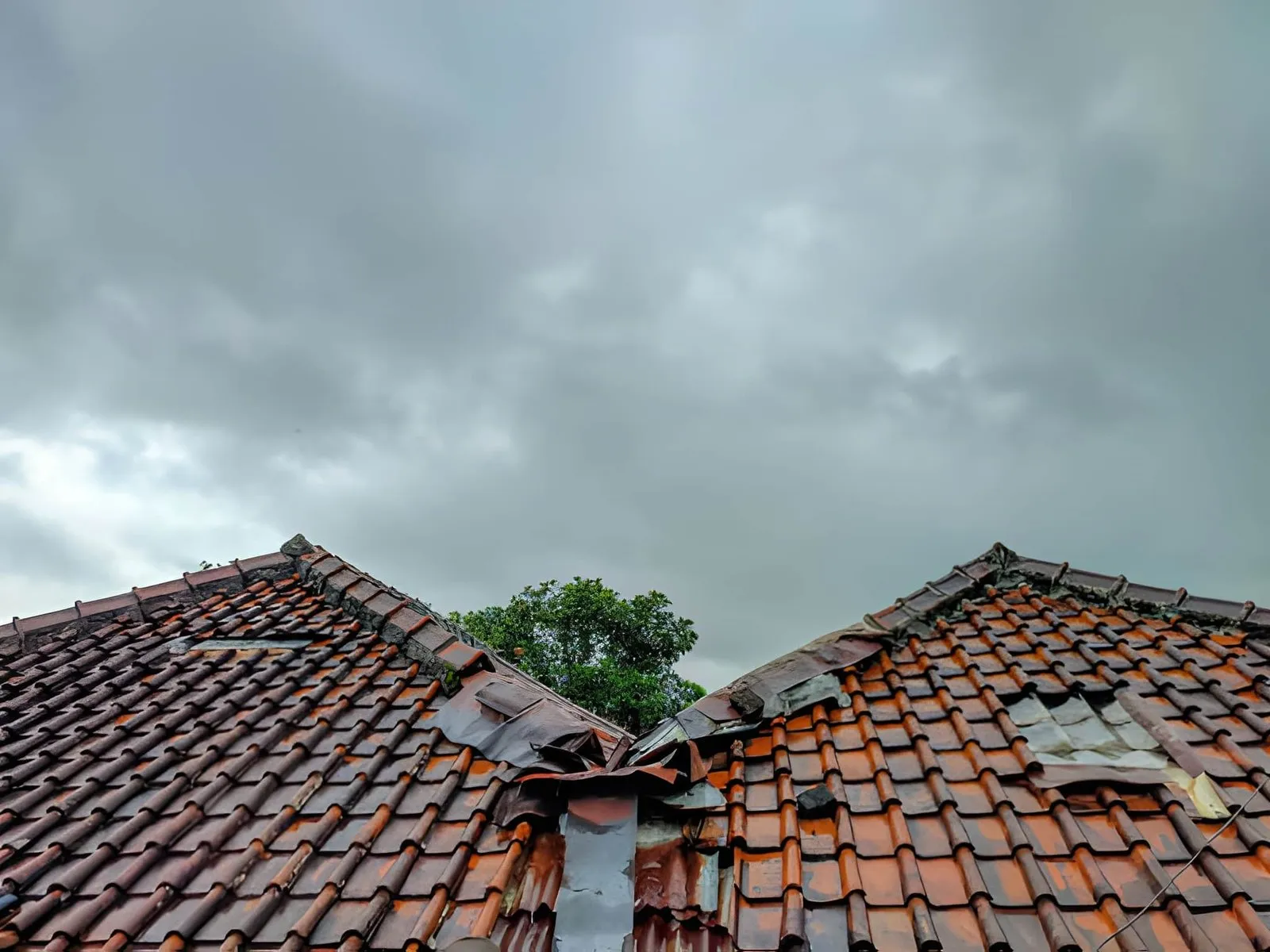
Why Do Roof Leaks Sometimes Appear Days After a Major Storm
After a major storm, homeowners often breathe a sigh of relief once the winds die down and the rain stops. However, it is not uncommon for roof leaks to make their presence known days after the storm has passed. This delayed appearance can be confusing and frustrating, especially when the roof seemed to hold up well during the worst of the weather. Understanding why leaks sometimes take time to show up is crucial for timely repairs and preventing further damage. Several factors contribute to this phenomenon, from hidden vulnerabilities in roofing materials to the way water travels and accumulates before finally making its way inside.
What Causes Delayed Roof Leaks
How Water Travels Through Roofing Systems
Water is persistent and can find its way through even the smallest vulnerabilities in a roofing system. During a major storm, heavy rain and strong winds can force water under shingles, around flashing, or through tiny cracks that are not immediately visible. Once the storm subsides, water may remain trapped in layers of roofing materials or insulation. Over time, gravity and capillary action can cause this trapped moisture to migrate, eventually finding a path into the interior of the home. This process can take several days, especially if the initial entry point is small or partially blocked. The result is a leak that appears well after the storm, often catching homeowners off guard. Understanding the way water moves through roofing systems is essential for identifying and addressing leaks before they cause significant damage.
The Role of Roofing Materials and Installation
The type and condition of roofing materials play a significant role in how and when leaks appear. Older roofs or those with worn-out shingles, cracked tiles, or deteriorated underlayment are more susceptible to delayed leaks. Even a well-installed roof can develop issues over time due to exposure to the elements, temperature fluctuations, and natural aging. Improper installation, such as poorly sealed flashing or inadequate ventilation, can also create hidden vulnerabilities that only become apparent after a major storm. For homeowners in Southeast Texas, working with a reputable Roofing Company Beaumont TX can help ensure that roofing materials are properly installed and maintained, reducing the risk of leaks that show up days after severe weather. Regular inspections and timely repairs are key to maintaining a watertight roof and protecting your home from unexpected water intrusion.
Hidden Damage from Wind and Debris
Major storms often bring more than just rain; high winds and flying debris can cause significant but not immediately visible damage to a roof. Shingles may be lifted or loosened, flashing can be bent out of place, and gutters may become clogged with leaves and branches. These issues might not result in immediate leaks, but they create pathways for water to enter the roofing system over time. As water slowly seeps through these compromised areas, it can take days for enough moisture to accumulate and make its way into the living space below. Homeowners may not notice any problems until water stains appear on ceilings or walls, by which point the damage may be more extensive. Prompt inspection after a storm is crucial to identify and address hidden damage before it leads to delayed leaks.
Why Leaks Can Be Hard to Detect
Detecting the source of a roof leak is often more challenging than it seems. Water can travel along rafters, insulation, or even electrical wiring before finally dripping into a visible area. This means the actual entry point may be far from where the leak appears inside the home. Additionally, small leaks may go unnoticed for days, especially if they are hidden in attics or behind walls. By the time water becomes visible, it may have already caused damage to insulation, wood framing, and even electrical systems. This complexity makes it important for homeowners to remain vigilant after a storm and to seek professional help if any signs of water intrusion appear, no matter how minor they may seem at first.
The Importance of Timely Inspections
After a major storm, scheduling a professional roof inspection can make a significant difference in preventing delayed leaks. Trained roofing professionals know how to spot subtle signs of damage that might be missed by the untrained eye. They can check for lifted shingles, damaged flashing, clogged gutters, and other issues that could lead to leaks in the days following a storm. Early detection allows for prompt repairs, minimizing the risk of water damage to the interior of the home. Homeowners should not wait for visible signs of a leak before taking action, as proactive inspections can save time, money, and stress in the long run.
Preventing Future Roof Leaks
Regular maintenance is the most effective way to prevent roof leaks from appearing after storms. This includes cleaning gutters, trimming overhanging branches, and replacing damaged or aging roofing materials as needed. Homeowners should also ensure that attic ventilation is adequate, as poor ventilation can contribute to moisture buildup and accelerate the deterioration of roofing components. Keeping up with routine maintenance not only extends the life of the roof but also reduces the likelihood of unexpected leaks. Investing in quality materials and professional installation further enhances the roof’s ability to withstand severe weather and protect the home from water intrusion.
Quick Signs to Watch For
Even if a roof appears intact after a storm, homeowners should watch for subtle signs that may indicate a developing leak. These include water stains on ceilings or walls, musty odors, peeling paint, or damp spots in the attic. Addressing these warning signs promptly can prevent more serious damage and costly repairs down the line.
Conclusion
Roof leaks that appear days after a major storm can be both puzzling and damaging, but understanding the underlying causes helps homeowners take proactive steps to protect their property. Water can travel through hidden pathways, and damage from wind or debris may not be immediately obvious. Regular inspections, timely maintenance, and attention to warning signs are essential for keeping a roof in good condition and preventing delayed leaks. By staying vigilant and addressing potential issues promptly, homeowners can minimize the risk of water damage and maintain a safe, dry living environment even after the most severe storms.